Books I Recommend to My Clients (and Come Back to Myself)
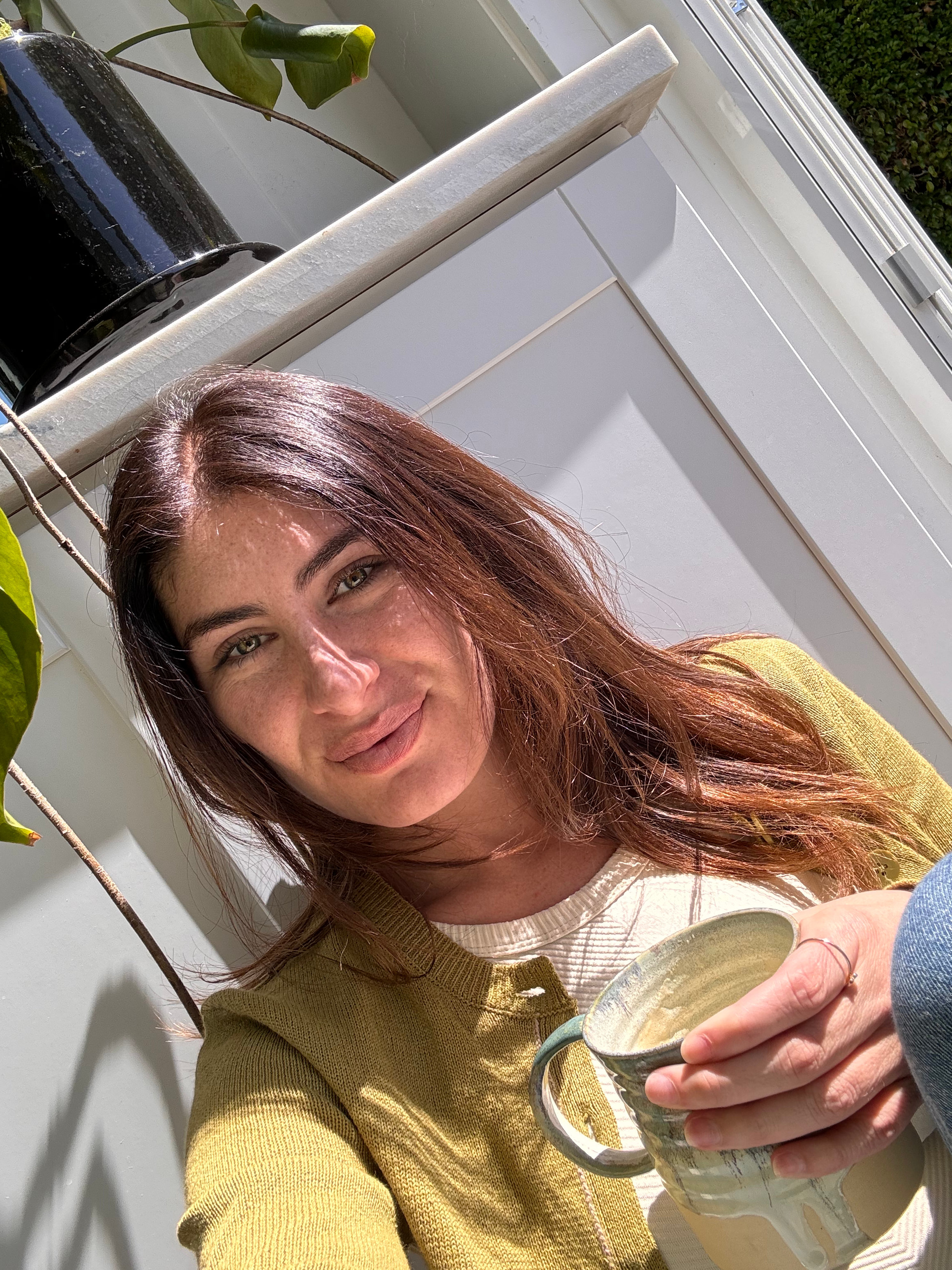

There are certain books I find myself coming back to again and again- both personally and in the work I do with clients. Not because they offer quick fixes, but because they help us understand ourselves more deeply. They give language to experiences we’ve felt but haven’t always known how to explain, especially when it comes to anxiety, trauma, relationships, and healing.
Many of these books share a common thread: healing isn’t about fixing yourself-it’s about understanding yourself.
Books like No Bad Parts by Richard Schwartz introduce the idea that we are made up of different “parts,” and none of them are inherently bad. This can be incredibly freeing, especially if you’re used to judging your reactions. Similarly, The Body Keeps the Score by Bessel van der Kolk and Body First Healing by Britt Piper highlight how our experiences live not just in our thoughts, but in our bodies-shaping how we feel, react, and move through the world.
Other books, like Anchored by Deb Dana and The Wisdom of Your Body by Hillary McBride, gently guide you back into connection with your body and nervous system. They remind us that safety isn’t something we force, it’s something we build, slowly and with compassion.
When it comes to relationships, Attached by Amir Levine and The State of Affairs by Esther Perel offer insight into how we connect, why we react the way we do, and how our past experiences show up in present dynamics. These books can help you make sense of patterns that may have felt confusing or overwhelming.
And then there are books like The Myth of Normal by Gabor Maté, The Invisible Lion by Benjamin Fry, and What Happened to You? by Bruce Perry and Oprah Winfrey, which zoom out to help us understand the bigger picture, how our environments, relationships, and life experiences shape our internal world.
If you’re on a healing journey, you don’t have to read everything at once. Start with what resonates. Let it be slow. Let it be supportive.
Sometimes the right book doesn’t change who you are, it just helps you understand yourself in a way that feels a little more compassionate, a little more clear, and a lot less alone.


Comments